In this article
- What Does a Simple Childhood Really Mean?
- Why Can Less Stimulation Be Helpful for Children?
- The Importance of Unstructured Play
- Creating a Calmer Daily Routine
- Family Connection Matters More Than Constant Entertainment
- Do Children Really Need So Many Things?
- Giving Children Space to Become Independent
- A Simple Childhood Doesn’t Mean a Perfect Childhood
- Can Simplifying Childhood Protect Against Mental Health Problems?
- The Beauty of Giving Childhood More Space
- Frequently Asked Questions
- Conclusion
Childhood is often described as the easiest and happiest stage of life, but modern childhood can look surprisingly complicated. School, homework, extracurricular activities, social expectations, screens, packed schedules, and constant entertainment can leave children with very little time to simply be children.
This is why the idea of simplifying childhood has gained attention among parents who want to create a calmer and more balanced environment for their children. A simpler childhood does not mean taking away everything a child enjoys or avoiding technology altogether. Instead, it means creating enough space for free play, family connection, rest, creativity, exploration, and age-appropriate independence.
A less complicated childhood may support children’s emotional well-being by reducing unnecessary pressure and giving them opportunities to develop important coping and social skills naturally. While no parenting approach can guarantee protection from mental health problems, everyday routines and environments can play an important role in supporting healthy development.
What Does a Simple Childhood Really Mean?
Simplifying childhood is not about making life boring. It is about being intentional about what children actually need.
Young children generally benefit from opportunities to play, explore, ask questions, make mistakes, interact with others, and spend time with caring adults. When every part of the day is scheduled, children may have fewer opportunities to decide what they want to do or discover activities independently.
A simpler routine might mean leaving some afternoons unscheduled, encouraging imaginative play instead of filling every quiet moment with a screen, or allowing children to spend time outdoors without turning every activity into a structured lesson.
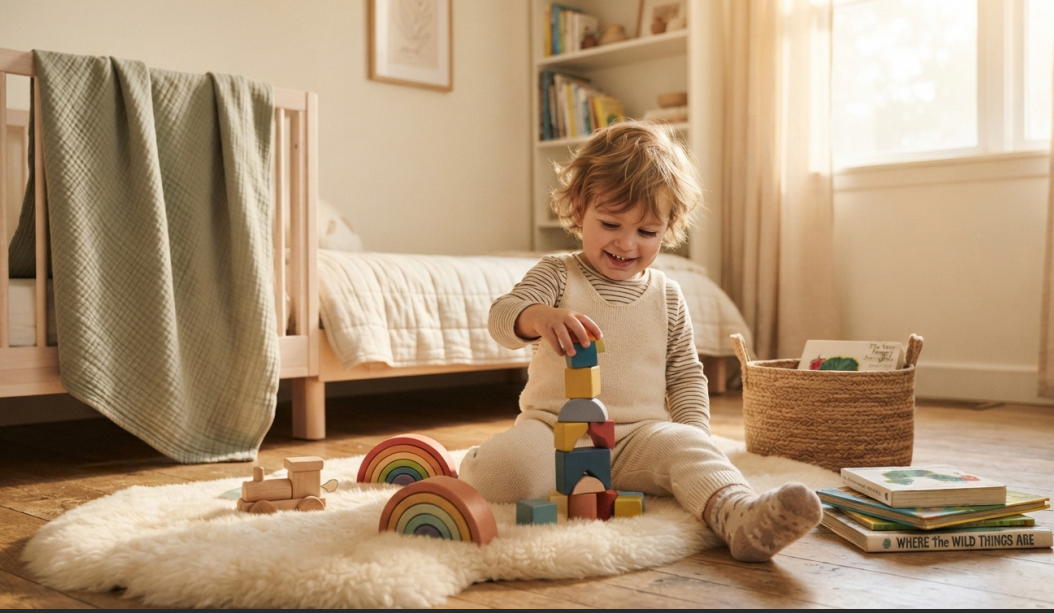
It can also mean simplifying the physical environment. Children do not necessarily need a huge number of toys to stay engaged. A smaller selection of age-appropriate toys can encourage children to use their imagination and focus on one activity for longer.
For parents shopping for children’s essentials, this same philosophy can extend to choosing comfortable, practical and versatile children’s products rather than constantly buying more simply because something is trending.
Why Can Less Stimulation Be Helpful for Children?
Children today can be exposed to stimulation almost constantly. Bright screens, notifications, videos, games, advertisements and busy schedules can make it difficult to experience genuine quiet.
That does not mean screens or technology are automatically harmful. They can be useful educational and recreational tools when used appropriately. The bigger question is whether digital entertainment is taking the place of activities children also need, such as sleep, physical activity, face-to-face interaction and imaginative play.
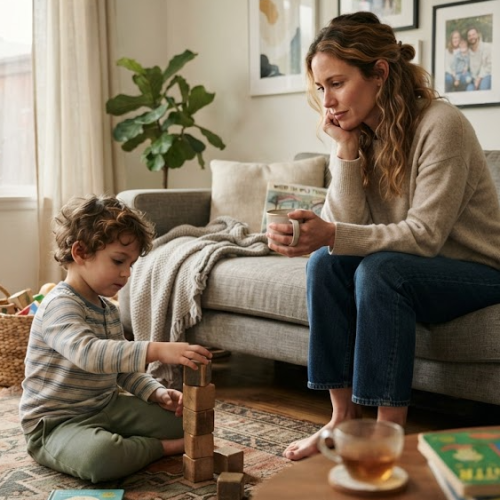
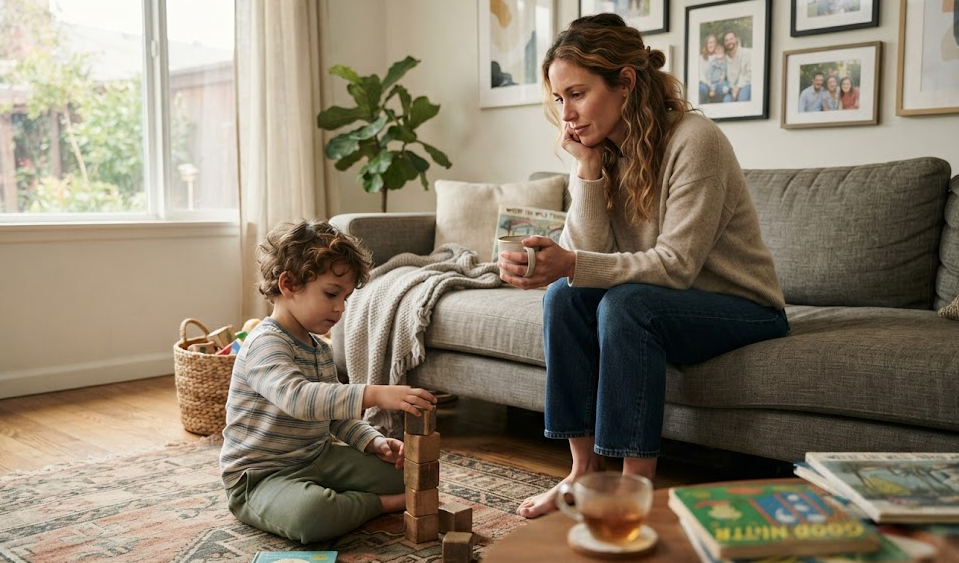
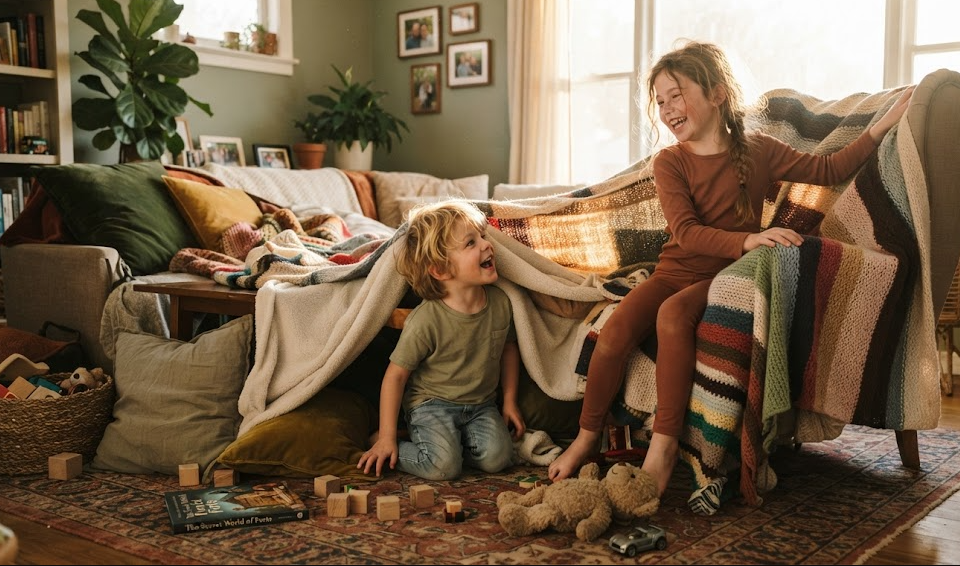
Periods of quiet and unstructured play give children an opportunity to decide what to do without an adult constantly directing the activity. A cardboard box can become a spaceship. A blanket can become a tent. A few crayons can turn into an entire imaginary world.
These experiences may look simple from an adult perspective, but they can help children practice creativity, decision-making, communication and problem-solving.
The Importance of Unstructured Play
One of the easiest ways to simplify childhood is to make room for unstructured play.
Unlike organized sports, classes or educational activities, unstructured play does not have a predetermined objective. Children can create their own rules, change the game and decide when they want to move on to something else.
This freedom can be valuable for emotional development. Children encounter small challenges during play—such as negotiating with siblings, figuring out how to build something or deciding what game to play—and gradually learn how to handle frustration and solve problems.
Parents do not have to entertain their children every minute of the day. In fact, allowing children to occasionally experience boredom can encourage them to become more creative and independent.
The goal isn’t to remove organized activities. Sports, music, art classes and other hobbies can provide meaningful experiences. The key is finding a balance so that a child’s schedule still has room for rest and spontaneous play.
Creating a Calmer Daily Routine
Children often feel more comfortable when they know what to expect. A simple daily rhythm can provide a sense of security without making the day overly rigid.
Regular mealtimes, bedtime routines, school responsibilities and periods of play can help children understand the flow of their day. The routine does not need to be perfect.
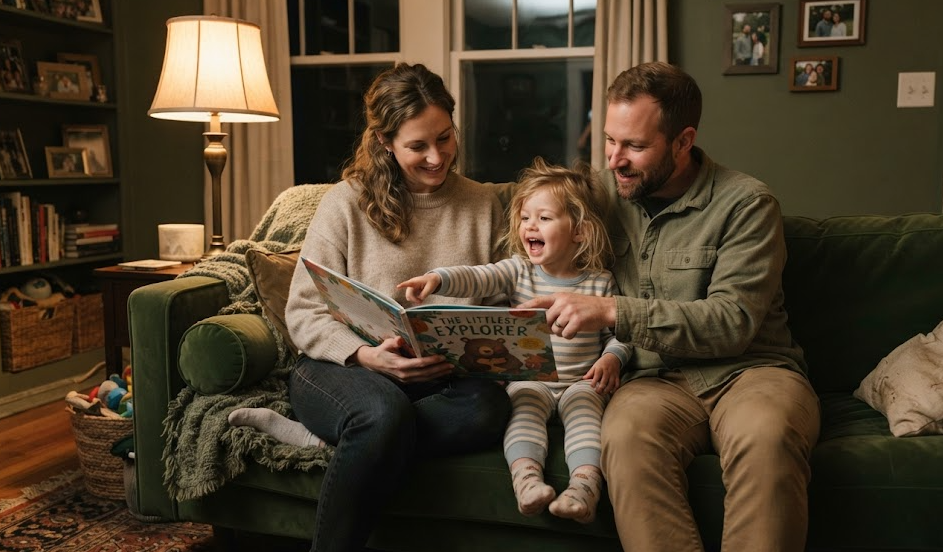
For example, an evening routine might include dinner, some family conversation, quiet play or reading, getting ready for bed and a consistent bedtime. Small rituals like reading a story together can become comforting moments that children remember long after they grow up.
A calmer routine can also benefit parents. When families are constantly rushing from one activity to another, everyone can feel stressed. Reducing unnecessary commitments may create more opportunities for meaningful interaction.
Family Connection Matters More Than Constant Entertainment
Children don’t need parents to create elaborate experiences every day. Often, simple moments of connection can be more meaningful.
Eating together, talking about the school day, reading a book, taking a walk, helping with a household task or playing a simple game can create opportunities for children to feel heard and supported.
These interactions also give parents opportunities to notice changes in their child’s mood, interests or behavior.
Instead of asking children only about grades or achievements, parents can ask open-ended questions such as, “What was the funniest thing that happened today?” or “What did you enjoy doing?”
Small conversations can gradually build trust and make it easier for children to talk when something genuinely worries them.
Do Children Really Need So Many Things?
Modern children’s products can be exciting, useful and beautiful, but more does not always mean better.
A child surrounded by dozens of toys may actually struggle to decide what to play with. Rotating toys can be one simple approach. Parents can keep a smaller selection available and store the rest, then switch them occasionally.
The same principle can apply to children’s clothing. A practical wardrobe with comfortable pieces that can be mixed and matched can make everyday life easier for both parents and children.
For babies and young children especially, comfort and practicality often matter more than having a huge collection of items. Soft fabrics, appropriate sizing and easy-to-wear designs can make daily routines smoother.
This is where a thoughtfully selected children’s store can be useful. Instead of encouraging parents to buy endlessly, the focus can be on finding products that genuinely fit their child’s needs and lifestyle.
Giving Children Space to Become Independent
Simplifying childhood also means giving children opportunities to do age-appropriate things for themselves.
A young child might choose between two outfits, put toys away, help set the table or select a bedtime story. Older children can gradually take responsibility for school items, personal belongings and simple household tasks.
These small choices help children experience a sense of responsibility.
Parents do not need to hand over complete independence overnight. Instead, they can gradually increase responsibility as children become ready.
Allowing children to make mistakes is part of this process. A child who forgets where they placed a toy or struggles to complete a simple task may learn something valuable from solving the problem themselves.
A Simple Childhood Doesn’t Mean a Perfect Childhood
It is important not to turn “simple childhood” into another parenting standard that makes parents feel guilty.
Every family has different circumstances. Some children naturally have busy schedules because of school, sports, medical appointments or family responsibilities. Some families live in cities with limited access to outdoor spaces. Others may rely heavily on technology for practical reasons.
The goal is not perfection.
Instead, parents can look at their family’s routine and ask simple questions:
- Does my child have enough time to rest?
- Do they have opportunities for free play?
- Do we regularly spend time together without distractions?
- Is their schedule appropriate for their age?
- Do they have opportunities to make small choices independently?
Even small adjustments can make everyday life feel less rushed.

Can Simplifying Childhood Protect Against Mental Health Problems?
It is important to use careful language here. A simpler childhood should not be presented as a guaranteed way to prevent anxiety, depression or other mental health conditions.
Children’s mental health is influenced by many factors, including biology, family circumstances, relationships, life experiences and the broader environment. Some children may experience mental health difficulties even when they have supportive families and healthy routines.
However, creating a supportive environment can be one part of promoting overall well-being. Adequate sleep, healthy relationships, physical activity, opportunities for play, emotional support and reasonable expectations can all contribute to a child’s development.
If a child shows persistent changes in mood, behavior, sleep, appetite, school performance or social interaction, parents should consider speaking with an appropriately qualified healthcare or mental health professional rather than trying to solve the issue through lifestyle changes alone.
The Beauty of Giving Childhood More Space
Childhood does not have to be filled with expensive experiences, constant entertainment or a perfectly organized schedule.
Sometimes the most valuable moments are surprisingly ordinary: playing on the floor, reading the same story for the tenth time, running outside, helping bake something in the kitchen, drawing a picture or talking before bedtime.
Simplifying childhood means protecting space for these moments.
For parents, the objective is not to create a completely screen-free, activity-free or minimalist childhood. It is to create a healthy balance where children have enough time to play, rest, connect, explore and simply be themselves.
In a world that often encourages families to do more and buy more, choosing a little less can sometimes give children something much more valuable—time, attention and room to grow.

Frequently Asked Questions
What does simplifying childhood mean?
Simplifying childhood means creating a balanced environment with enough time for rest, free play, family connection, creativity and age-appropriate independence rather than filling every moment with structured activities or entertainment.
Is a simple childhood better for children’s mental health?
A simple childhood cannot guarantee protection from mental health problems. However, supportive relationships, healthy routines, sufficient rest, physical activity and opportunities for play may contribute to overall emotional well-being.
Should parents completely remove screens?
Not necessarily. Technology can be part of a healthy childhood when used appropriately. Parents can focus on balance and make sure screens do not consistently replace sleep, physical activity, family interaction and other important activities.
How can parents simplify a child’s daily routine?
Parents can start by reducing unnecessary activities, keeping consistent sleep and meal routines, creating time for unstructured play and allowing children to participate in simple everyday family activities.
Does a child need lots of toys to stay entertained?
No. Children can often enjoy meaningful play with a relatively small selection of age-appropriate toys. Simple objects and open-ended toys can also encourage imagination and creativity.
Conclusion
Simplifying childhood isn’t about giving children less love, fewer opportunities or a boring life. It is about making room for the experiences that can easily disappear when childhood becomes too busy.
A little more free time, a little less pressure, meaningful family conversations, opportunities for independent play and a calm daily rhythm can help create a childhood that feels more manageable and connected.
For parents, sometimes the best thing to add to a child’s day isn’t another activity or another toy. It may simply be more time to play, explore, rest and grow.