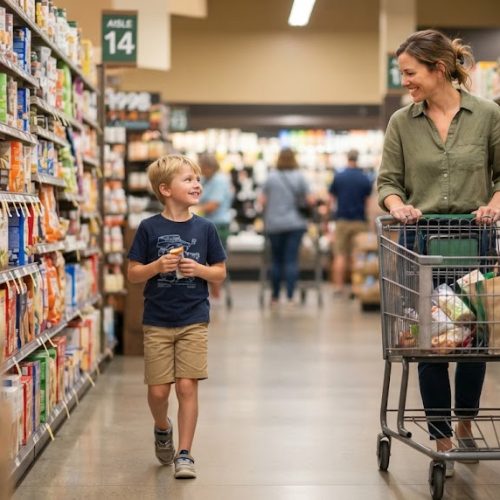
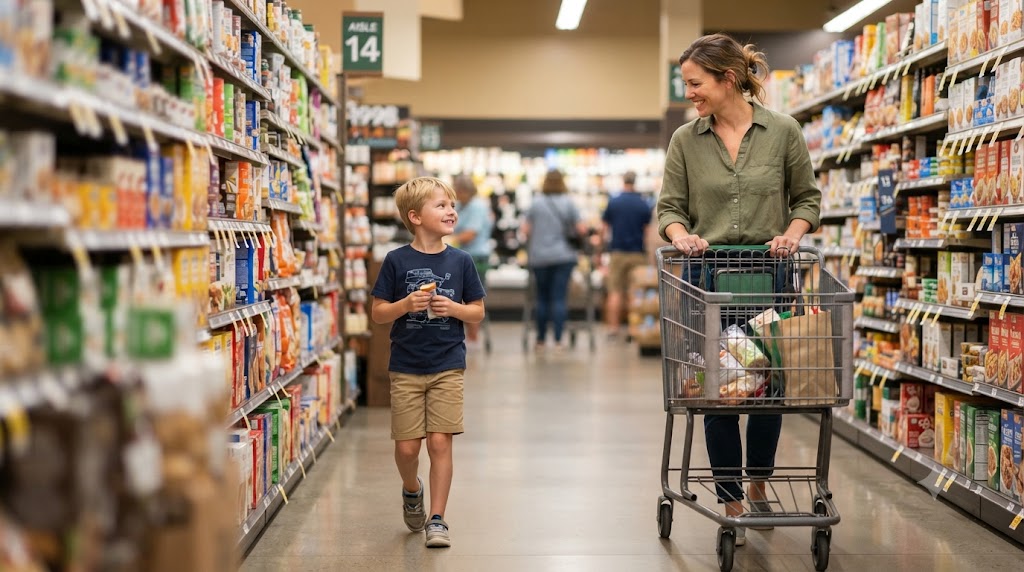
As parents, we often find ourselves walking a fine line between ensuring our children’s safety and fostering their independence. One common scenario that illustrates this challenge is shopping at the store. Many parents wonder at what age it’s appropriate to allow their children to venture down different aisles on their own. This decision is influenced by various factors, including a child’s developmental milestones, safety awareness, and the specific shopping environment. In this article, we’ll explore these elements, providing practical insights and recommendations for empowering your child while ensuring their safety.
Understanding Developmental Milestones
To determine when your child may be ready to explore different aisles in a store independently, it’s essential to understand their developmental milestones. Children typically progress through stages of development at different rates, and their readiness to navigate new situations can vary significantly.
Ages 4 to 6: The Exploration Phase
Around ages 4 to 6, children become increasingly curious about their surroundings. This is a critical stage for fostering independence as they often express a desire to explore the world beyond their immediate comfort zone. At this age, children may want to wander a bit in familiar environments but still lack a comprehensive understanding of safety and boundaries. Allowing them to explore nearby aisles while remaining within your sight can be a good first step.
Ages 7 to 9: Developing Independence
Between the ages of 7 and 9, many children develop a greater sense of self-awareness and responsibility. They become more capable of understanding instructions and can respond to potential dangers. This is often when parents begin to feel comfortable letting their children explore a store independently, particularly if the child demonstrates maturity and good judgment. However, it’s essential to continue monitoring their behavior, as their decision-making skills are still maturing.
Ages 10 to 12: Ready for More Freedom
By the time children reach ages 10 to 12, they typically exhibit increased maturity and independence. They often have a better understanding of safety precautions and are capable of making more informed decisions. At this stage, many parents feel comfortable allowing their children to navigate the store independently, especially in familiar settings. However, it remains crucial to communicate expectations and establish clear boundaries regarding their exploration.
Factors to Consider
While age is a critical factor in deciding when to allow your child to explore different aisles, several other considerations can influence your decision:
- Child’s Temperament: Each child has a unique temperament that influences their readiness for independence. Some children are naturally more cautious, while others may be more adventurous. If your child tends to be impulsive or easily distracted, you may want to hold off on allowing them to explore independently for a bit longer.
- Familiarity with the Store: The environment of the store plays a significant role in your child’s comfort level. If it’s a familiar place where your child has been before and knows the layout, they may feel more at ease navigating it alone. On the other hand, a new or crowded store may overwhelm them, making it better to keep them close by.
- Safety Awareness: Consider your child’s understanding of safety rules. Do they know to stay close, ask for help if needed, and recognize potential dangers? A child who grasps these concepts is more prepared to handle the responsibility of exploring on their own.
- Store Policies: Be aware of the store’s policies regarding children’s safety. Some stores may not allow children to be unaccompanied, and it’s important to familiarize yourself with these rules before making a decision.
- Length of the Shopping Trip: The length of your shopping trip can also impact your decision. For quick trips to the store, you may feel more comfortable allowing your child to explore nearby aisles. However, during longer shopping trips, it might be best to keep them close to avoid fatigue and frustration.
- Emergency Procedures: Ensure your child knows what to do in case they get lost or need assistance. Establish a designated meeting spot within the store or have them memorize your phone number so they feel secure while exploring.
The Importance of Communication
Once you feel your child is ready to explore different aisles independently, it’s crucial to have an open conversation about expectations. Start by discussing the purpose of the trip and any boundaries you want to set. For instance, let them know which areas they can visit and remind them to stay within a certain distance. Encourage them to approach you if they need assistance or feel uncertain about something.
Furthermore, reinforce the importance of being aware of their surroundings. Teach them to recognize store staff who can help them if they feel lost or uncomfortable. Creating a sense of security will empower them to navigate the aisles with confidence.
Gradual Independence
Instead of allowing your child to roam freely right away, consider taking a gradual approach to their independence. Start by allowing them to explore a nearby aisle while you remain within sight. Gradually increase the distance as you observe their comfort level and ability to follow safety guidelines. This incremental approach will help build their confidence and allow you to assess their readiness.
If you notice your child managing well in familiar environments, consider extending their independence in less crowded stores. As they grow and demonstrate responsibility, you can gradually allow more freedom during shopping trips.
Recommended Products for Encouraging Independence
To help your child feel more secure while exploring independently, consider investing in some products that promote safety and confidence:
- Child Safety Wristbands: These wristbands can be customized with your contact information and can be worn by your child while shopping. In case they get lost, it allows store staff to quickly reach you.
- Walkie-Talkies: If you’re shopping in a larger store or mall, walkie-talkies can provide a convenient way for you to stay in touch with your child as they explore. This can help them feel more secure and connected.
- Kid-Friendly GPS Tracker: A GPS tracker can give you peace of mind by allowing you to keep track of your child’s location while they navigate the store. This can be particularly helpful in crowded environments.
- Personalized Shopping Lists: Encourage your child to make a shopping list of items they can find independently. This gives them a sense of responsibility and purpose while exploring.
- Reusable Shopping Bags: Allow your child to carry a small reusable shopping bag. This not only makes them feel like they are participating in the shopping experience but also encourages them to be mindful of their belongings.
- Safety First Aid Kit: Equip your child with a small safety first aid kit. Teaching them basic first aid skills and providing them with the tools they need can help them feel more confident in their ability to handle minor emergencies.
Embracing Mistakes and Learning Opportunities
While you may feel apprehensive about allowing your child to explore independently, it’s important to recognize that mistakes are part of the learning process. If they accidentally wander too far or find themselves in a situation they can’t handle, it provides an opportunity for you to discuss the experience afterward. Emphasize that making mistakes is a normal part of growing up and that learning how to navigate the world requires practice.
Encourage open communication, allowing your child to express their feelings about the experience. Did they feel scared or anxious when they got lost? How did they handle the situation? This dialogue can help them develop critical thinking skills and learn how to manage their emotions in challenging situations.
When to Reassess Independence
As your child grows and matures, their needs and abilities will change. Regularly reassess their readiness for independence, taking into account any shifts in their development, confidence, or behavior. If they express a desire to explore more or show signs of maturity, it may be time to expand their boundaries. Conversely, if you notice any regressions or increased anxiety, it may be wise to take a step back and provide additional support.
Additionally, consider the shopping environment and circumstances. Certain stores may be busier or more overwhelming during peak times. Being flexible and responsive to your child’s needs is key to nurturing their independence while ensuring their safety.
Conclusion: Empowering Your Child Through Independence
Deciding when to let your child explore different aisles at the store involves considering their age, temperament, and developmental milestones. By fostering their independence while maintaining safety, you empower them to navigate the world confidently. This exploration not only promotes their self-reliance but also enhances their problem-solving skills and decision-making abilities.
Ultimately, the goal is to create a positive shopping experience that builds trust between you and your child. As they grow and become more independent, you’ll be instilling valuable life skills that will serve them well beyond the aisles of the store. Remember, every child is unique, so trust your instincts and choose a path that feels right for both you and your child.
Recommended Products on Amazon
To make your shopping experience more enjoyable and safe, consider checking out some of the following products available on Amazon:
- Child Safety Wristbands: Shop here
- Walkie-Talkies for Kids: Shop here
- GPS Tracker for Kids: Shop here
- Personalized Shopping Lists for Kids: Shop here
- Reusable Shopping Bags: Shop here
- Safety First Aid Kit for Kids: Shop here
By investing in these tools, you can ensure that both you and your child have a more enjoyable and secure shopping experience. Navigating the world together will strengthen your bond and prepare your child for greater independence as they grow.